How Well Can a Typical Vehicle Stop a Bullet?

Will a Car Door Stop a Bullet

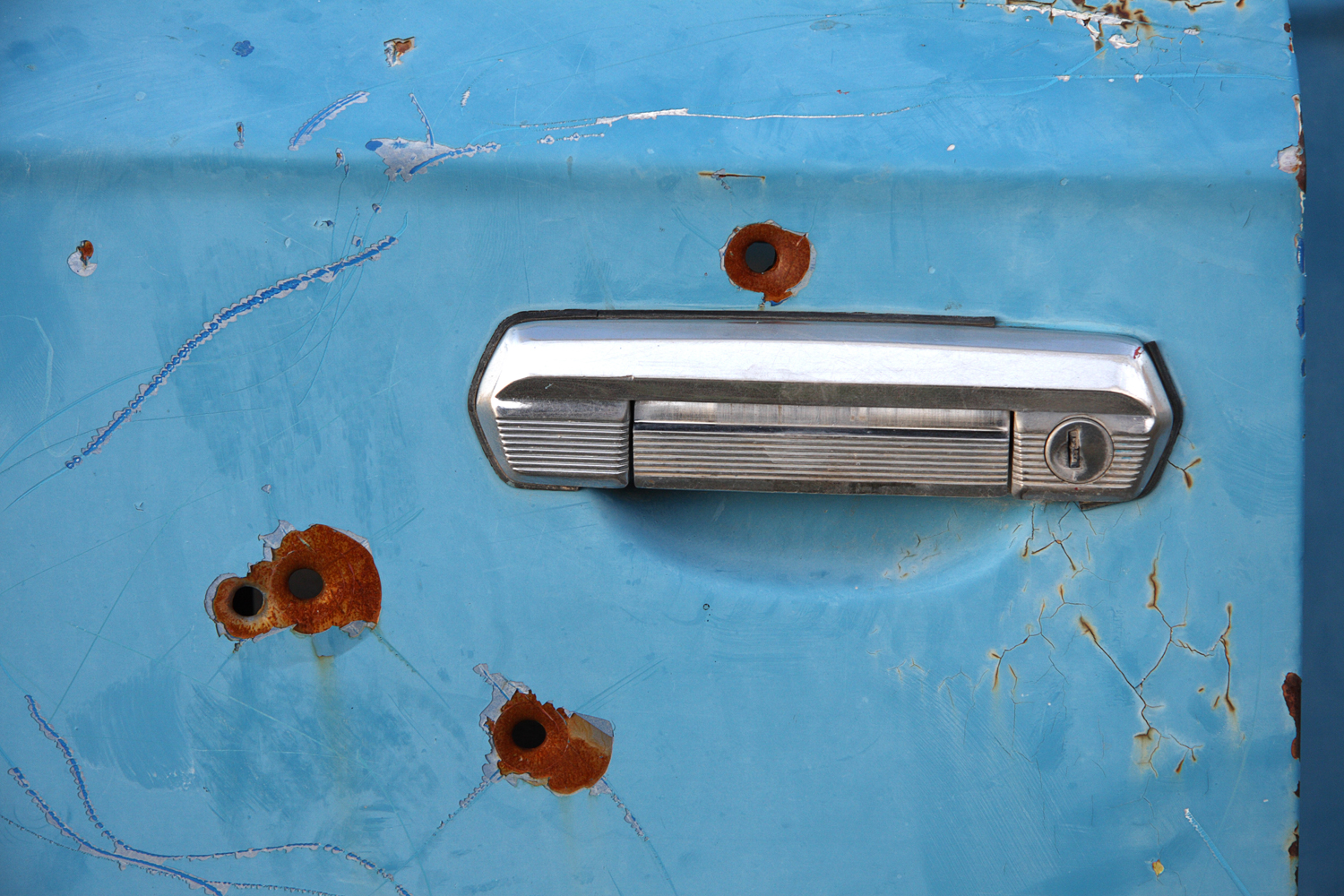
Pictured: Still a better look than those stupid bullet hole stickers. (Shutterstock photo)

TLDR: There are too many variables to call a definite yes or no, but any rifle from a .223 on up at a distance of 100 yards or less stands the best chance of penetrating a typical vehicle. This is a good time to mention my disclaimer.

It makes sense that characters hiding from gunfire would choose to skirt death by taking shelter in or against a car or truck. But how well do everyday vehicles, such as the kind you whittle away your life inside stuck in traffic, stop bullets? Much depends on the firearm, the ammunition and the make of the vehicle, so the answer isn’t going to be concrete. Here’s my shot at filling in the Swiss cheese.

Continue reading

How Gun Smoke Can Shape a Scene

Gunsmoke Shooting Writing Tips

Handguns usually kick out more smoke per shot given there isn’t a long barrel to trap the smoke as it dissipates. This is especially true with cheap ammunition. Generally speaking, if your character can afford or has access to premium ammunition, there won’t be as much smoke because the powder burns cleaner. In that way, the amount of smoke might be an indicator of who the character is in a gunfight scene. Scrappy characters using cheap ammo would be surrounded by more smoke, and professional gunfighters would be clouded in less. (Photo by milan6 via sxc.hu)

Crime writer James Pierson dropped a question into the comments on the What’s that Smell? Cordite vs. Gunpowder vs. Propellant article, and I thought it’d be helpful to turn it into its own post. As always, I’m happy to help with any writerly questions on guns and knives. Just leave a comment or use the submission form.

Here’s James’s question:

Continue reading

What’s that Smell? Cordite vs. Gunpowder vs. Propellant

TLDR: Avoid depicting cordite, use gunpowder as a default, reference propellant to look like a smarty pants.

Gunpowder propellant cordite fiction writing

Modern gunpowder (aka propellant) doesn’t always look like a powder. It’s still OK to call it gunpowder when writing, though.

When articles debunk common firearm tropes in fiction, they usually mention how the “smell of cordite” isn’t in the air after a gunfight. Cordite’s heyday as the substance that makes a gun go bang started in the late 1800s and ended with the close of World War II. That means scenes set after 1945 wouldn’t include cordite.

Continue reading

How to Load Submachine and Machine Guns

Dear Ben,

As an Australian writer working on his first novel, I need information from time to time on the step-by-step procedures involved in loading, cocking, aiming and shooting certain firearms, such as when to flick off the safety lever, and so on.

Is there a writer’s guide available in hard copy that will tell me, step by step, how to prepare to shoot most rifles, shotguns, sub-machine guns and handguns – including notable exceptions to the rule so I don’t make a mistake in my book? This would be very handy in my line of work.

In the meantime, can you tell me, please, how to prepare an L1A1 self-loading rifle (SLR) and an Uzi sub-machine gun for firing? Continue reading

Ammunition for Shooting Down Drones?

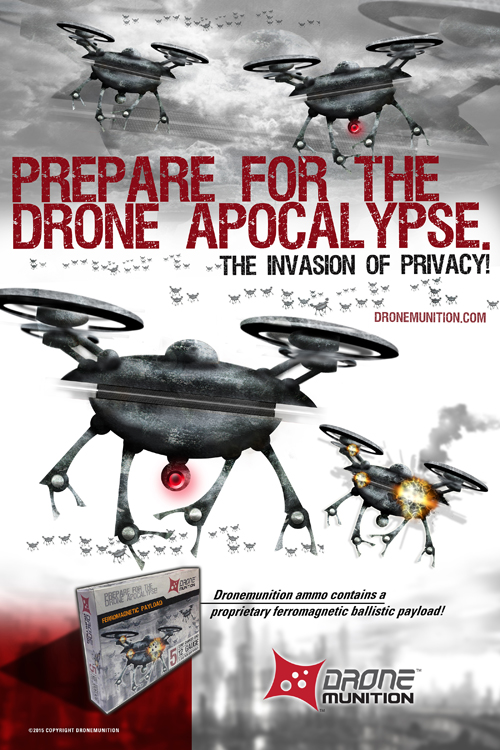
Here you go, writerfolk. It’s ammunition specifically designed to shoot down drones. All I know about this product is from this press release. Note the “ferromagnetic ballistic payload,” which I presume to be some sort of explosive.

Dronemunition_Poster_24x36