Step by Step: Choosing a Knife for Santa Claus

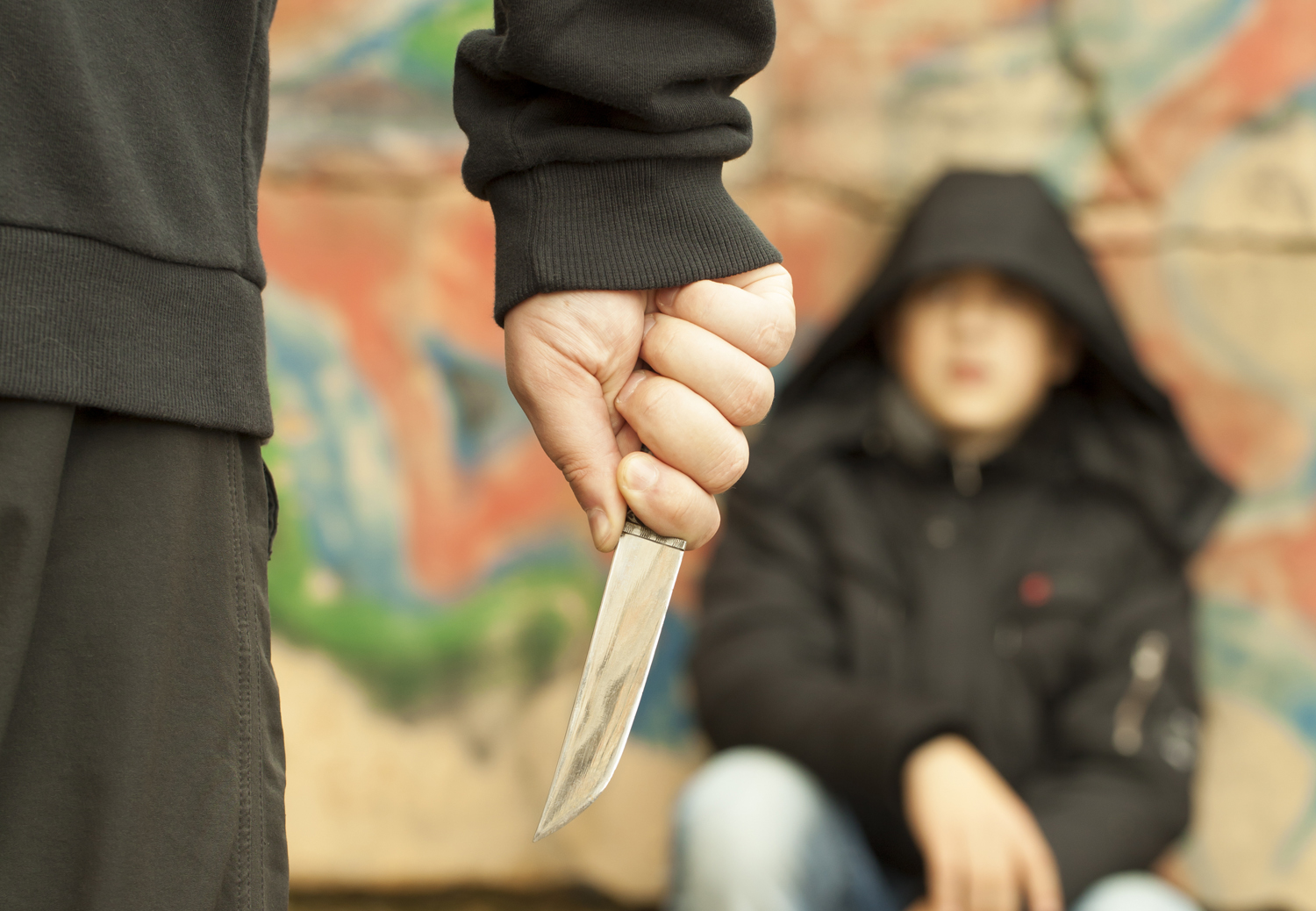
This is what happens when you don't tip your mall Santa. (Photo by Thomas Ricks via sxc.hu)

This is what happens when you don’t tip your mall Santa. (Photo by Thomas Ricks via sxc.hu)

I don’t know about you, but this Christmas I’ll be getting the shotgun out and leaning it against the wall next to my pillow. Call me paranoid, but ever since I became a father, there’s something exceptionally unsavory about some random creep coming down the chimney. I used to leave out a jug of whole milk and a bale of lard cookies to tempt the oaf into an slow diabetic death, but I don’t have the time to wait around for a case of the sugars any more.

That means Santa Claus needs to go in armed with more than candy canes and reindeer jerky this year. But with what?

Continue reading

Firearms and Knives My Fictional Characters Use

Winchester Model 37

A Winchester Model 37 single-shot shotgun makes an appearance in The Invisible Hand. (image by Gurpreetsihota via Wikimedia)

Despite writing something like The Writer’s Guide to Weapons: A Practical Reference for Using Firearms and Knives in Fiction (Writer’s Digest Books), I don’t put a ton of detail into the guns and blades that make appearances in my fiction.

That’s mostly to do with the story. If it needs some extra detail, I’ll stick it in there. But if it’s just another part readers will skip over, I’ll leave it out, as the late Elmore Leonard would say. Boiling firearms and knives down to their most necessary features is something I talk about extensively in the webinar I did for The Writers Store.

Continue reading

FACT or FICTION: Forensics and Crime Scene Investigation Portrayed in Entertainment

The CSI Effect

Skilled investigators work to unravel crime scenes, but it doesn’t always follow the process portrayed in pop culture. For example, in this photo, it’s clear that someone spilled white paint on himself/herself, then tripped while doing a Wile E. Coyote impression. ~Ben (Image by Nate Nolting via sxc.hu)

If you’re not already reading crime writer/criminologist Jennifer Chase’s blog and Emily Stone series of novels, you’re missing out. In addition to those great reads, Chase cranks out posts on her website worthy of a college course in criminal justice. I’m privileged to host another fantastic post from her here. Enjoy!

~Ben

Continue reading

The Truth About Knives and Self-Defense

Self-Defense Knife Laws

The attacker ran away after the protagonist pulled a knife. The protagonist probably shouldn’t chase after the bad guy into a dead end and slit his throat. That’s murder. If that matches the character’s path in the story, go for it. However, it’s easy to overlook how quickly the “good guy” in a story can do some bad things that might be out of character. (Shutterstock photo)

TLDR: Using a knife for self-defense can put a character on some shaky ground. The best tactic, legally speaking, is to inflict an injury that allows for a retreat when one is otherwise not possible.

It’s a lot of fun to choose knives for characters. I played the part of armorer for a vigilante detective character not long ago, and I enjoyed the hell out of it. The blades in that instance (I recommended two for the character) were to be used for last-ditch self-defense. I stopped short, however, of detailing what self-defense with a knife can mean in a legal sense.

Maybe this matters to a story and maybe it doesn’t. But if you’re going to assign a character a knife, don’t disregard how easy it is for a knife-wielding character to cross the line from self-defense to murder. Continue reading

Book Review: Knife Laws of the United States

Knife Laws of the United States NappenSince starting this blog and my other projects, I’ve moved away from the book reviews that initially were my bread and butter. But then along comes a book like Knife Laws of the U.S., and I can’t let it pass by without getting the word out to writers reading this blog.

Written by one of the foremost Second Amendment attorneys in the country, Evan Nappen, Knife Laws of the U.S. details exactly that. Whereas my book, The Writer’s Guide to Weapons, offers a crash course on this subject, Nappen’s work picks up where I left off, then runs a mile with it. This is the premier resource to turn to when assigning knives to characters if the laws of the setting count. Continue reading