What’s the Deal with that iPhone Gun? Answers for Fiction Writers

Concealed smartphone gun folding pistol

That this could all be malarkey actually plays to your advantage as a writer. (Image via Ideal Conceal)

TLDR: Not much.

Earlier this year, a company near me in the Upper Midwest called Ideal Conceal debuted a firearm that bears a striking similarity to a smartphone. Designed to fire .380 caliber ammunition from two separate barrels, Ideal Conceal’s firearm folds into a square reminiscent of an iPhone, allowing it to slip into a pocket like any other mobile device.

This so-called “cell phone gun” or “iPhone gun” entered the news cycle with plenty of controversy, especially given the focus in recent years on officer-involved shootings, self-defense laws and firearm legislation. One senator even called for a pre-emptive investigation into its legality.

Does this mark the beginning of firearms hidden in everyday objects? Will this make it easier for people ineligible to own a firearm to carry one in public? And what does this have to do with writing fiction? Here’s what you need to know. Continue reading

Can a Government Database Match a Gun to a Person?

Gun registration writing fiction database

There’s merit to this trope, but it’s important to understand the circumstances. (Shutterstock photo)

TLDR: Yes, but only under the right conditions.

Friend of this blog Ralph S. wrote me recently with this excellent question:

Sometimes in reading crime fiction, I notice that writers frequently depend on a system of firearms registration to help the detective find out who owns a particular gun, or maybe to track the ownership of a firearm. But does such a system of registration actually exist in the USA? My guess is that some such systems may exist, but that they are geographically spotty, and that some writers may be making false assumptions. How should writers handle this problem? Continue reading

How Easy is It to Find Fingerprints on a Gun?

Fingerprints: The criminal defense attorney's best friend. (Photo by A. Hulme via sxc.hu)

Fingerprints: The criminal defense attorney’s best friend. (Photo by A. Hulme via sxc.hu)

TLDR: As it relates to firearms, fingerprinting isn’t infallible.

When I encounter a topic I’m not familiar with, I turn to people like criminologist/crime writer Jennifer Chase to fill in the gaps. This typically happens in the forensics department, and I’m happy to say she’s a terrific resource. The latest example is the issue of fingerprints and firearms. Specifically, how easy (or difficult) is it to find usable fingerprints on a gun? Continue reading

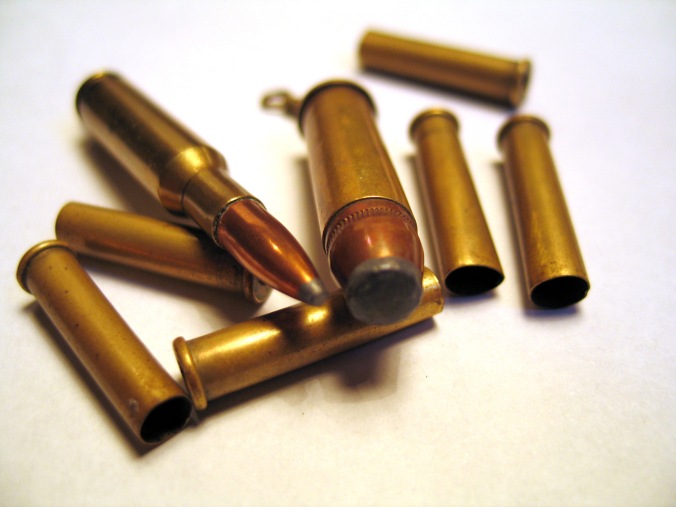
From Hollow-Points to Spitzers: A Quick Guide to Bullet Types

Bullet type guide

(Photo by Justin Daley via sxc.hu)

Fiction, especially the crime and thriller genres, loves hollow-point bullets, but those aren’t the only game in town. Many varieties exist, with unique shapes and construction types, and their properties may spark some new ideas for fiction. Continue reading

10 Things Authors Get Wrong When Writing About the Military

(U.S. Department of Defense photo)

Writing about military characters in fiction takes a little legwork. Here are 10 tips for avoiding the most common pitfalls. (U.S. Department of Defense photo)

This guest blog post comes from Joshua Hood. I’d normally summarize a guest writer’s bio in my notes before the article, but Hood’s background is too extensive to outline here. Read the bio at the end of the article. Let’s cut right to the chase, because Hood has some excellent tips for writing about the military in fiction.

~Ben Continue reading