.25 Caliber Handguns: Avoid at All Costs?

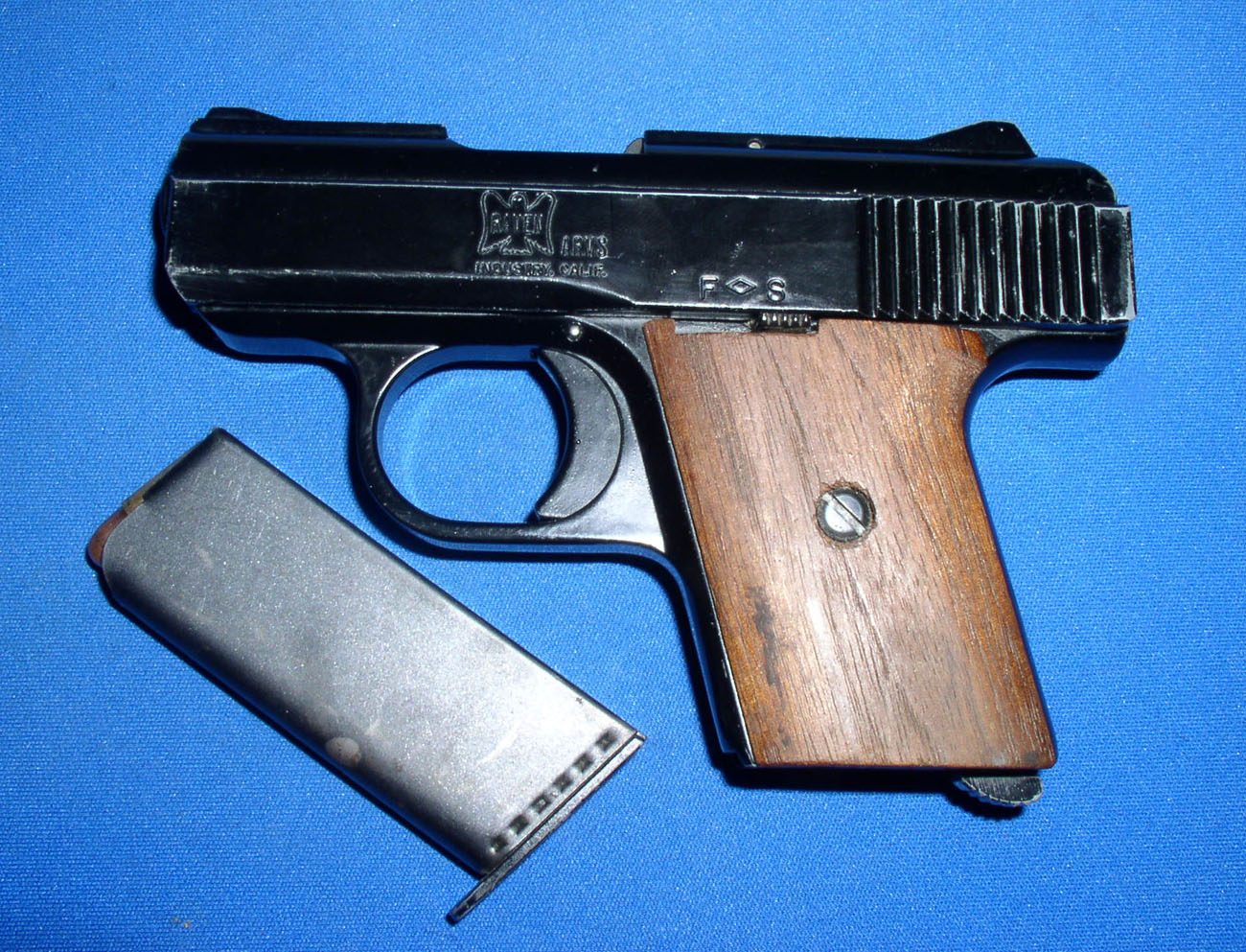
This is a Raven Arms P25 MP25, a good example of a .25 caliber handgun. But is it a bad example of a handgun for writing fiction? (Image via Wikimedia, public domain)

This is a Raven Arms P25 MP25, a good example of a .25 caliber handgun. But is it a bad example of a handgun for writing fiction? (Image via Wikimedia, public domain)

TLDR: If you can help it, a character might be better off with a handgun with more bite than a .25 caliber.

Last week’s post about the .25 caliber “lady’s gun” used by James Bond kicked off some interesting feedback from followers of this blog. Some agreed with my take that the ability to be accurate matters more than firepower (a perennial debate in the gun world, too). Others felt .25 caliber handguns are flat out a bad option despite how easy they are to shoot.

Characters in fiction can get away with plenty those in the real world can’t, so neither POV is completely right or wrong. It’s up to writers to make the final call.

Still, I feel like I didn’t give enough time in that post to why it might be a bad idea to go with a .25 caliber, especially since there’s plenty of anecdotal evidence. Continue reading


“Lady Guns” for Female Characters? Not So Fast

James Bond Beretta 418 Ian Fleming Geoffrey Boothroyd

The Beretta Model 418 is so small it’s considered a “pocket pistol,” meaning it could slip inside a pocket. Its .25 caliber ammunition is barely cut out for popping varmints. So why would a character like James Bond use it? Writer Ian Fleming had a good reason. (By Bob Adams (http://www.adamsguns.com) (Adamsguns.com) [Attribution], via Wikimedia Commons)

TLDR: Firearm experience, hand size, general physical condition and purpose matter more than gender when it comes to assigning handguns to female characters.

When it comes to handguns, it seems to me there’s a tendency to assign fictional female characters smaller calibers than males. I’m here to tell you that’s a mistake, and ironically I’ll use one of the most famous womanizers of all time, James Bond, to explain why.

Continue reading

What is a Riot Gun?

Riot? Check. Gun? Check. Does that mean there's a riot gun in this picture? Read on to find out. (punghi/Shutterstock)

Riot? Check. Gun? Check. Does that mean there’s a riot gun in this picture? Read on to find out. (punghi/Shutterstock)

TLDR: The term “riot gun” usually refers to a shotgun or rifle featuring either a shortened barrel or less-lethal ammunition, or both.

I had a great time last year presenting a webinar for The Writer’s Store called The Secret to Writing Firearms. (Pro tip: You can download it here, but I recommend you sign up for my newsletter first to get a code for 50% off.) One of the attendees popped a question to me during the presentation that might apply to your project: What is a riot gun?

Continue reading

On Writing Nail Guns as Weapons in Fiction

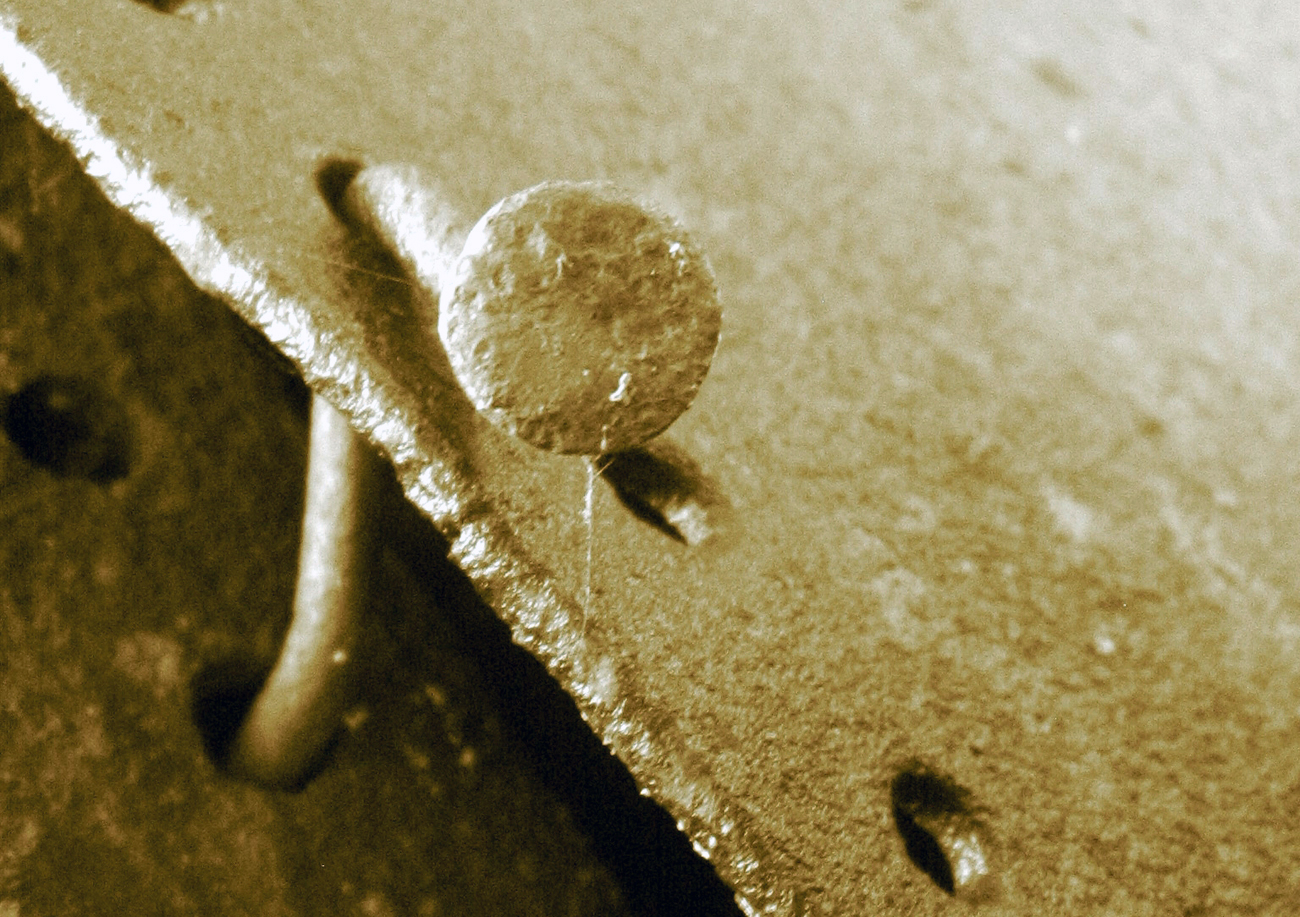
There's something exceptionally brutal and timeless about using nails for nefarious purposes in fiction. (Image by Maare Liiv via sxc.hu)

There’s something exceptionally brutal and timeless about using nails for nefarious purposes in fiction. (Image by Maare Liiv via sxc.hu)

It must be nail gun season, because this is the second post of the week related to these tools in fiction. Up now is Graham Smith, a terrific crime writer from Scotland, to provide some context for using nail guns on characters in fiction. In addition to writing books, Smith has a background in using nail guns professionally (for less sinister purposes, of course).

Enjoy!

~Ben

Continue reading

Can a Nail Gun be Used like a Firearm?

Nail Gun as a Weapon

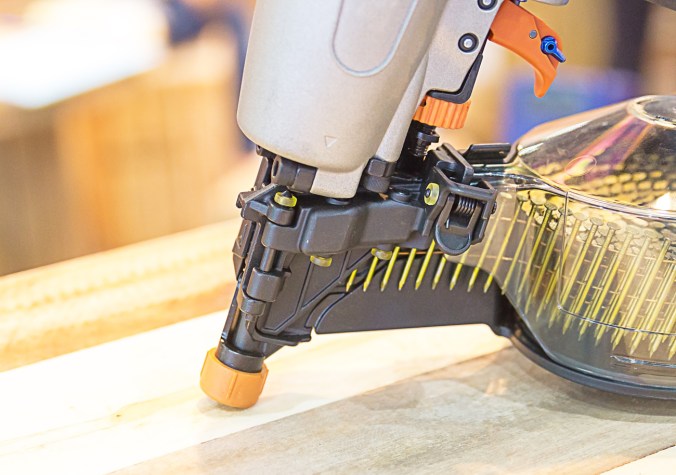
It has the word “gun” in its name, so a nail gun should be a fine substitute for a traditional firearm, right? (Shutterstock image)

I’m over at crime writer Sue Coletta’s stellar blog today discussing whether a nail gun can actually be used like a firearm. I won’t spoil it for you, but I take a look at how a nail in flight compares to a bullet fired from a traditional gun. It turns out there’s a simple mathematical formula to help determine just that. Take a look. I think you’ll enjoy the analysis.

Continue reading